
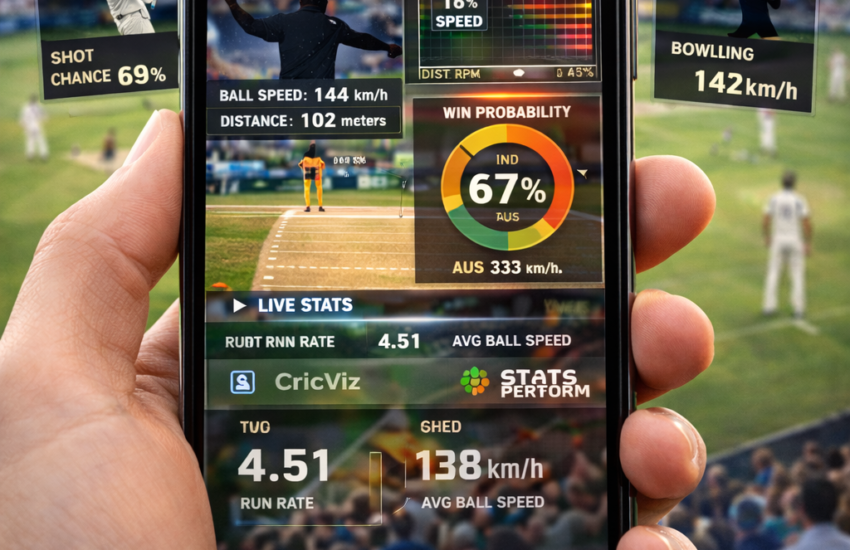
In the modern sports world, every second counts. From professional leagues to local tournaments, fans, coaches, and analysts crave insights that go beyond the scoreboard. Behind the scenes, real-time sports data is revolutionizing the way we understand and enjoy games. This invisible layer of information is powering smarter game analysis, more accurate predictions, and enhanced fan engagement—thanks largely to the influence of artificial intelligence (AI).
Understanding Real-Time Sports Data
Real-time sports data refers to the live collection and processing of game-related information as it happens. This can include statistics such as player positions, speed, shot accuracy, heart rate, possession percentages, and more. Unlike traditional post-game analysis, real-time data offers instant insights, giving coaches, analysts, and broadcasters the tools to make informed decisions immediately.
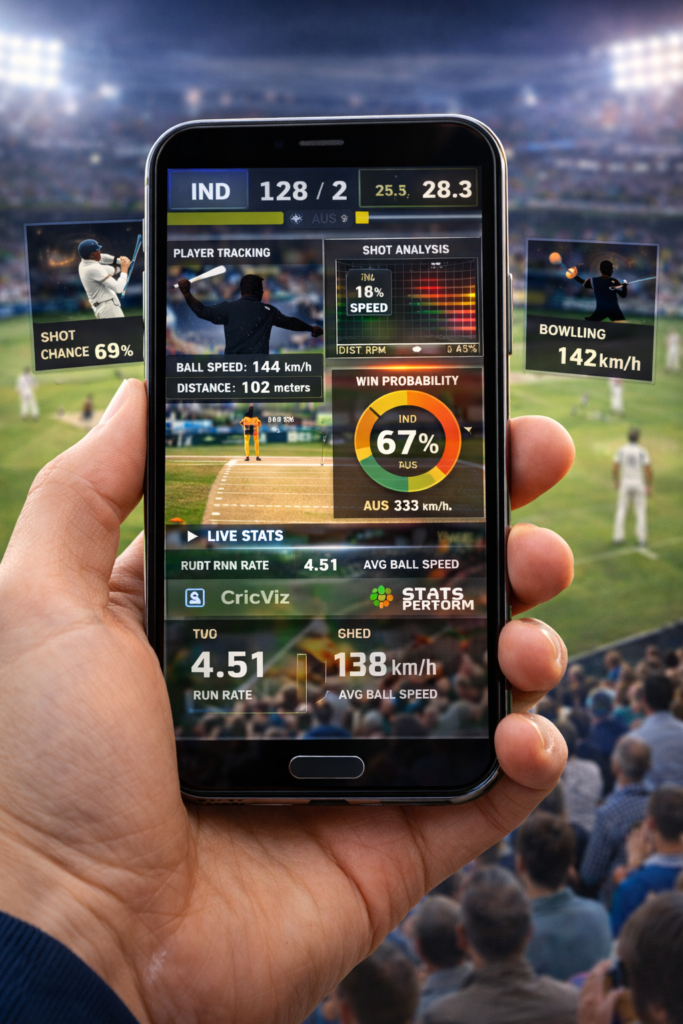
For instance, during a cricket match, metrics like strike rate, bowling speed, and player fielding positions can be tracked live. In football, player tracking systems capture movements, passes, and stamina levels in real time. This constant stream of information forms the foundation of smarter game analysis.
AI: The Engine Behind Smarter Game Insights
While data collection is essential, the real magic happens when AI algorithms analyze these datasets. Machine learning models can detect patterns that humans might miss, predict game outcomes, and even suggest strategic adjustments during live matches.
For example, AI can analyze a basketball player’s shooting patterns to predict the probability of scoring from different positions on the court. Similarly, in football, AI-powered tools can track formations, highlight weaknesses in defense, and forecast potential goal opportunities. By transforming raw data into actionable insights, AI helps teams gain a competitive edge while keeping fans engaged with rich, data-driven storytelling.
Benefits of Real-Time Data in Game Analysis
- Enhanced Coaching Decisions: Coaches can use live data to adjust strategies mid-game. Substitutions, defensive formations, and play styles can be optimized instantly rather than waiting for post-match analysis.
- Player Performance Optimization: Wearable devices and sensors collect player health and performance data, allowing trainers to monitor fatigue, prevent injuries, and enhance training efficiency.
- Smarter Broadcasting: Real-time data adds a layer of excitement for viewers. Live stats, predictive insights, and dynamic visualizations enrich the fan experience. For example, cricket broadcasts can show predictive strike probabilities, while football coverage might display pass completion rates and heatmaps.
- Data-Driven Fan Engagement: Fans today expect more than just scores. Interactive dashboards, social media integration, and AI-driven insights make following a game more immersive. Real-time analytics allow fans to predict outcomes, compare player stats, and understand game dynamics like never before.
SEO and Search Engine Context
In the age of AI-driven search engines, content needs to do more than inform—it must also be search-friendly. Keywords like “real-time sports data”, “AI in sports analysis”, “smarter game analytics”, and “live sports insights” should naturally appear throughout your content. Search engines prioritize content that is:
- Informative: Clearly explains what real-time sports data is and how it is used.
- Authoritative: References AI-driven technologies and real-world applications.
- Engaging: Written in a way that keeps readers on the page longer.
Incorporating these elements not only helps your blog rank higher on Google but also ensures it resonates with a human audience seeking actionable knowledge.
Real-World Examples of Smarter Game Analysis
- Cricket: Platforms like CricViz and Stats Perform leverage AI to provide ball-by-ball analysis, predicting likely scoring shots and optimal field placements.
- Football (Soccer): Companies like Opta and Wyscout track every movement on the pitch, offering teams detailed tactical reports during live matches.
- Basketball: NBA teams use AI-powered player tracking to monitor efficiency, detect patterns, and anticipate opponent moves.
These examples demonstrate how real-time data is not just a futuristic concept but a tangible tool shaping today’s sports landscape.
By converting raw numbers into actionable insights, AI powers smarter coaching and keeps fans engaged through interactive dashboards, much like digital fan engagement strategies in live streaming
Challenges and Considerations
While the benefits are immense, implementing real-time sports data analysis comes with challenges:
- Data Accuracy: Sensors and tracking systems must be highly accurate to ensure reliable insights.
- Latency Issues: Data processing must be fast enough to provide real-time utility.
- Data Privacy: Player health and biometric data require secure handling to protect privacy.
- Integration Complexity: Combining multiple data sources into a unified AI-driven system can be technically demanding.
Despite these challenges, the evolution of AI and edge computing continues to make real-time sports analytics more accessible, affordable, and reliable.
The Future of Real-Time Sports Analytics
Looking ahead, AI-powered real-time data will continue to redefine sports broadcasting and game analysis. Expect more personalized fan experiences, smarter coaching strategies, and predictive insights that bring a new level of excitement to every match. As AI models improve, even small-scale sports events will benefit from technologies once reserved for professional leagues.
In essence, real-time sports data acts as the hidden layer powering smarter game analysis. It turns raw numbers into stories, predictions, and insights that drive better decisions for teams, coaches, and fans alike.
Conclusion
Real-time sports data is no longer a behind-the-scenes curiosity—it is central to modern game analysis, broadcasting, and fan engagement. When combined with AI, this hidden layer transforms sports into a more interactive, insightful, and thrilling experience. Whether you are a coach looking for tactical advantage, a broadcaster aiming to enhance viewer engagement, or a fan hungry for deeper understanding, embracing real-time data is the key to smarter, more informed sports experiences.
As reported by Real-Time Sport Analysis , real-time sports data is no longer a behind-the-scenes curiosity—it is central to modern game analysis, broadcasting, and fan engagement.