
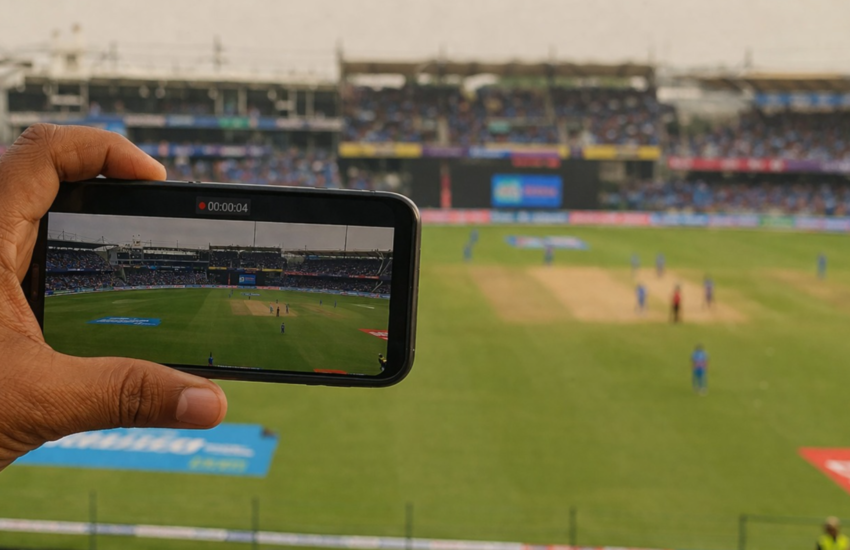
Live Sports streaming technology has completely transformed how fans experience games. Whether it’s a local cricket match, a football league, or a school tournament, viewers no longer depend on television broadcasts to stay connected. Today, anyone with a smartphone and internet connection can watch matches in real time.
But what makes a live stream truly engaging is not just the video. Behind every smooth stream lies a powerful combination of real-time data and low latency streaming technology. These two elements are the backbone of modern sports broadcasting, helping deliver fast, interactive, and immersive viewing experiences.
Let’s break this down in a simple, practical way.
What Is Live Sports Streaming Technology?
Live sports streaming technology refers to the systems and tools used to capture, process, and broadcast sports events over the internet in real time. It includes cameras, streaming software, encoding tools, and internet protocols that work together to deliver video to viewers instantly.
Unlike traditional broadcasting, streaming is more flexible and accessible. Even small clubs and independent creators can now stream matches using affordable setups. However, delivering a high-quality stream requires more than just hitting the “Go Live” button.
This is where real-time data and low latency come into play.
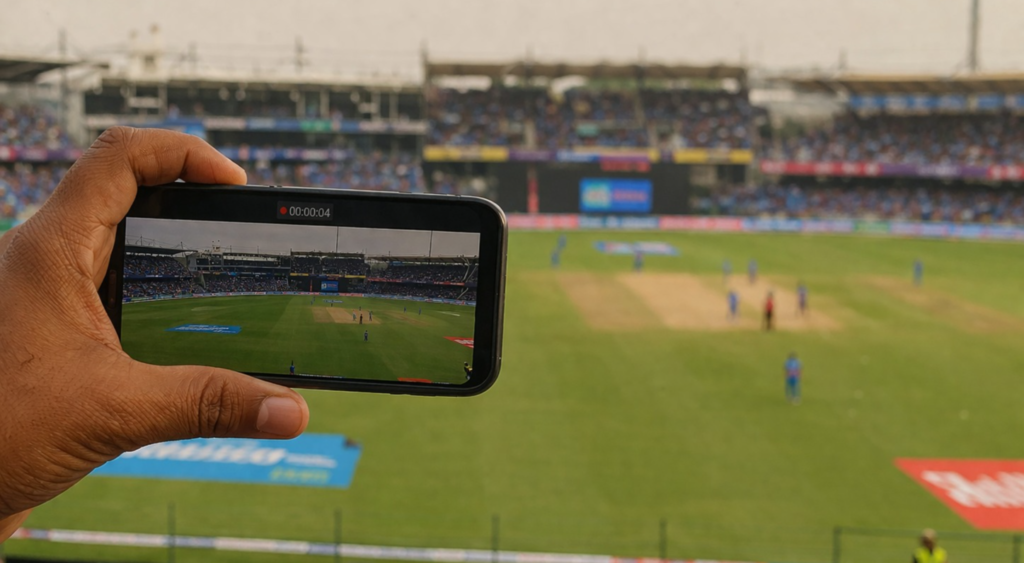
Understanding Real-Time Data in Sports Streaming
Real-time data is information that is collected and displayed instantly as the game happens. This includes:
- Scores and match updates
- Player statistics
- Time tracking
- Event highlights
When viewers watch a live match, they expect the information on screen to reflect exactly what is happening on the field. Any delay or mismatch can reduce trust and engagement.
Real-time data ensures that everything stays synchronized, making the stream more professional and enjoyable
For example, if a cricket score updates late or a football goal appears on screen seconds after it happens, the experience feels disconnected.
Real-time data ensures that everything stays synchronized, making the stream more professional and enjoyable.
What Is Low Latency and Why It Matters
Low latency means reducing the delay between the actual event and what viewers see on their screens.
In simple terms:
- High latency = long delay (10–30 seconds or more)
- Low latency = near real-time viewing (1–5 seconds delay)
This difference might seem small, but it has a huge impact on viewer experience.
Imagine watching a match where:
- Your friend messages you about a goal before you see it
- Social media updates faster than your stream
- Commentary doesn’t match the action
This happens when latency is high.
Low latency solves this by ensuring viewers see the action almost instantly, keeping them fully connected to the game.
Research on low-latency live sports streaming shows that reducing delay between capture and playback significantly improves viewer engagement and synchronization. (Source: Link Here)
How Live Sports Streaming Technology Uses Real-Time Data
These two technologies are closely connected.
- Real-time data keeps the information accurate
- Low latency ensures the timing is correct
If you have real-time data but high latency, the data becomes outdated by the time viewers see it.
If you have low latency but delayed data, the stream feels incomplete.
Live Sports Streaming Technology relies on real-time data to ensure that everything stays synchronized, making the stream more professional and enjoyable.”
When both work together, the result is a seamless viewing experience where:
- Scores update instantly
- Video matches real-world action
- Viewers stay engaged longer
The Role of AI in Modern Sports Streaming
Artificial intelligence is playing an increasingly important role in improving streaming quality and performance.
AI helps in:
1. Smart Video Processing
AI can optimize video quality automatically based on internet speed, reducing buffering and improving clarity.
2. Real-Time Data Analysis
AI systems can process match data instantly, helping generate live insights and statistics without manual effort.
3. Latency Optimization
AI-driven algorithms can adjust streaming delivery paths to reduce delays and improve synchronization.
4. Automated Highlights
AI can detect key moments like goals, wickets, or fouls and create instant highlights for viewers.
This makes live streaming smarter, faster, and more efficient, even for small-scale broadcasters.
Why Viewer Experience Depends on These Technologies
At the end of the day, the success of a live stream depends on how viewers feel while watching it.
Here’s how real-time data and low latency directly improve viewer experience:
1. Better Engagement
Viewers stay longer when streams feel smooth and responsive.
2. Increased Trust
Accurate and timely updates build credibility.
3. Interactive Experience
Low latency allows real-time interaction through chats, reactions, and commentary.
4. Professional Quality
Even small clubs can deliver broadcast-level experiences.
Challenges in Achieving Low Latency Streaming
While low latency sounds ideal, it’s not always easy to achieve. Some common challenges include:
- Slow internet connections
- Poor encoding settings
- Server delays
- Device limitations
To overcome these issues, streamers need to optimize their setup carefully.
Practical Tips to Improve Streaming Quality
If you are streaming sports events, here are some simple ways to improve performance:
1. Use Stable Internet
A strong and consistent connection is essential for reducing delay.
2. Choose the Right Streaming Settings
Lower resolution and bitrate can help reduce latency without affecting quality too much.
3. Optimize Your Software
Using reliable streaming tools ensures smoother performance.
4. Sync Data with Video
Always make sure your data updates match the video timing.
The Future of Live Sports Streaming
The future of sports streaming is moving toward even faster and smarter systems.
With advancements in AI and network technologies, we can expect:
- Ultra-low latency streams (near zero delay)
- More personalized viewing experiences
- Real-time analytics for fans
- Interactive features like multi-angle viewing
As technology continues to evolve, live sports streaming will become more immersive and accessible than ever before.
Conclusion
Live sports streaming is no longer just about broadcasting video. It’s about delivering a complete experience where viewers feel connected to the game in real time.
By combining real-time data with low latency streaming, broadcasters can create faster, smoother, and more engaging streams. With the added power of AI, the future looks even more promising.
Whether you are a content creator, a sports club, or a streaming enthusiast, understanding live sports streaming technology is essential for delivering a smooth, engaging experience.
To learn more about score overlays, live streaming tools, and how to enhance your sports broadcasts, Visit our website