
In today’s digital-first world, sports fans no longer want to simply watch a game—they want to experience it. The rise of real-time sports data has completely transformed how audiences engage with live events, making sports viewing more interactive, personalized, and immersive than ever before. From instant score updates to advanced analytics and interactive overlays, real-time data is now at the heart of modern fan engagement.
According to research, real-time sports data is transforming how fans engage with live events, making the experience more immersive and dynamic. (Source: Link here)
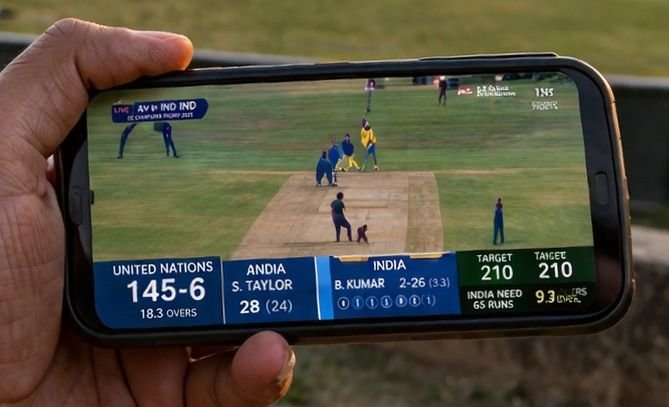
Score overlays and score detection tools rely on real-time sports data to deliver instant updates to viewers.
This blog explores how real-time sports data is reshaping the fan experience, why it matters for content creators and streamers, and how it can boost audience retention, SEO visibility, and overall engagement
Why Real-Time Sports Data Matters Today
Gone are the days when fans had to rely on delayed updates or commentary to follow a game. Today’s audiences expect immediate access to information. Whether they are watching a match on TV, streaming it online, or following updates on their mobile devices, fans want to stay informed in real time.
Real-time sports data includes:
- Live scores and match statistics
- Player performance metrics
- Game timelines and highlights
- Predictive analytics and insights
This instant flow of information creates a more engaging experience by keeping fans connected to every moment of the game. It also helps them better understand what’s happening on the field, especially for complex sports where strategy and performance metrics play a key role.
Enhancing Fan Engagement Through Instant Updates
One of the biggest advantages of real-time data is its ability to keep fans actively involved. When fans receive updates as events unfold, they feel more connected to the game. This creates a sense of excitement and urgency that static content simply cannot deliver.
For example:
- A live scoreboard showing score changes instantly
- Real-time player stats updating during the game
- Instant notifications for key moments like goals or wickets
These features ensure that fans never miss important moments, even if they join the stream late. For content creators and sports bloggers, integrating real-time data can significantly increase user engagement and session duration.
Real-time sports data also powers tools like live score overlays , helping viewers track scores and match updates instantly during a live stream.
The Role of AI in Real-Time Sports Data
Artificial Intelligence (AI) plays a crucial role in processing and delivering real-time sports data. With AI, massive amounts of data can be analyzed within seconds and presented in a user-friendly format.
AI-powered features include:
- Predictive analytics (e.g., win probabilities)
- Automated highlights and key moment detection
- Personalized content recommendations
- Chatbots for live updates and fan interaction
By leveraging AI, platforms can provide a smarter and more personalized viewing experience. This not only enhances fan satisfaction but also helps in building long-term loyalty.
Making Sports Viewing More Interactive
Modern fans don’t want to be passive viewers—they want to interact with the game. Real-time data enables this shift by introducing interactive elements into live streams and sports content.
Some popular examples include:
- Live polls and predictions
- Fantasy sports integrations
- Real-time chat and fan discussions
- Leaderboards and gamification features
These interactive features turn watching a game into a participatory experience. Fans feel like they are part of the action rather than just observers.
Improving Content Strategy for Bloggers and Streamers
For sports bloggers and streamers, real-time data offers a powerful opportunity to create more engaging and SEO-friendly content.
Here’s how you can use it effectively:
1. Create Live Blogs
Live blogging during matches allows you to provide continuous updates, keeping readers engaged for longer periods. This improves dwell time, which is a key ranking factor for search engines.
2. Use Dynamic Content
Embedding live scoreboards, stats, or widgets makes your content more dynamic and valuable to users.
3. Focus on Keywords
Use SEO keywords such as:
- “live sports updates”
- “real-time match stats”
- “live fan engagement”
These keywords help your content rank higher on search engines.
4. Update Content Frequently
Regular updates signal freshness to search engines, improving your chances of ranking for trending topics.
Personalization: The Future of Fan Engagement
Real-time sports data also enables personalized experiences. Fans can customize what they want to see based on their preferences.
For example:
- Following specific teams or players
- Receiving tailored notifications
- Viewing personalized stats dashboards
This level of personalization makes fans feel valued and increases their engagement with the platform.
Boosting Viewer Retention and Loyalty
One of the biggest challenges in sports streaming is retaining viewers. With so many options available, fans can easily switch between platforms. Real-time data helps solve this problem by making the experience more engaging and informative.
When fans have access to:
- Instant updates
- Interactive features
- Personalized content
They are more likely to stay on the platform and return for future events.
The Business Impact of Real-Time Data
Beyond fan engagement, real-time sports data also has significant business benefits. It opens up new opportunities for monetization and growth.
Key advantages include:
- Increased ad revenue due to longer viewing times
- Better targeting through personalized content
- Enhanced sponsorship opportunities with data-driven insights
For sports organizations, broadcasters, and content creators, investing in real-time data technology is no longer optional—it’s essential for staying competitive.
Challenges and Considerations
While real-time sports data offers many benefits, it also comes with challenges:
- Ensuring data accuracy and reliability
- Managing latency issues
- Protecting user data and privacy
- Maintaining high-quality user experience
Overcoming these challenges requires advanced technology and continuous optimization.
Conclusion
Real-time sports data has revolutionized the way fans experience live events. By providing instant updates, enabling interactivity, and delivering personalized content, it transforms passive viewers into active participants.
For bloggers, streamers, and sports organizations, leveraging real-time data is a powerful strategy to boost engagement, improve SEO rankings, and build a loyal audience. As technology continues to evolve, the role of real-time data will only become more important in shaping the future of sports entertainment.
If you want to stay ahead in the competitive world of sports content, integrating real-time data is the key to success.